2026 rOGUE Gallery Programming
We are so excited to bring you another year of exceptional rOGUE Gallery exhibitions! This line-up of shows features an exciting roster of artists based in, or with ties to, Newfoundland and Labrador. We can’t wait for you to see their incredible work!! Take a peek below to see what to expect in the rOGUE Gallery in 2026.
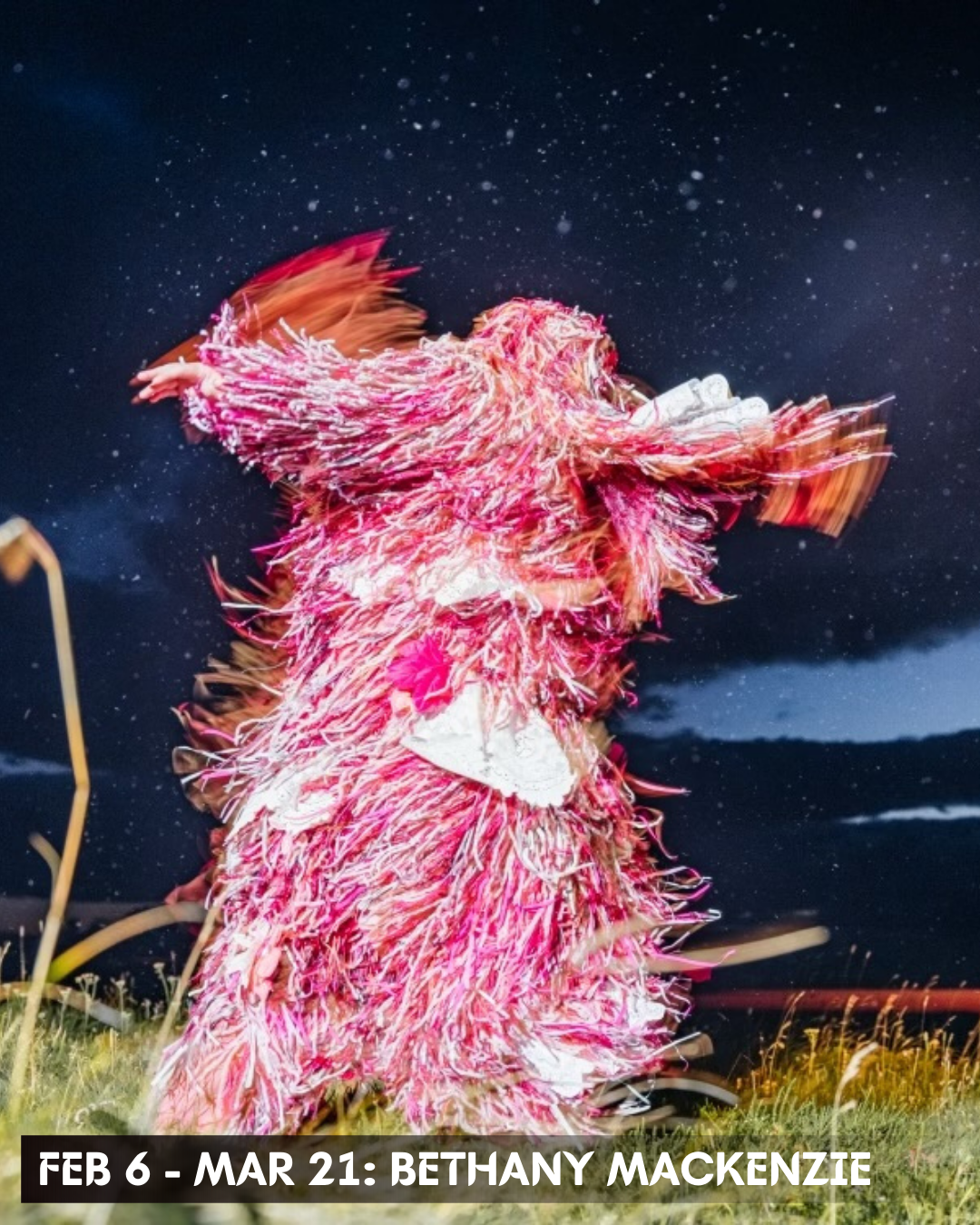 Bethany MacKenzie, (DE)COMPOSING
February 6 – March 21, 2026
(DE)COMPOSING marks MacKenzie’s first solo exhibition and shares work that explores the relationship between her body and place as they exist within the complex histories and heritage that they both carry. Using textiles, paper making and performance combined with photo-documentation by Johnny C. Y. Lam, MacKenzie questions and examines how colonization and patriarchy have severed and stigmatized Queer-Femme identity from the land while actively creating space for unmasked Queer expression and joy. Using the Ghillie-Suit, a traditional Scottish camouflage-garment that is most commonly seen through militaristic uses, MacKenzie creates an anti-camo suit that dances along the coast of Bonavista, their current place of residence. (DE)COMPOSING refers to both the breakdown of material after death, as well as the ways we “compose” ourselves in our everyday lives. While their work appears monstrous and at times, grotesque, this exhibition is an amalgamation of Queer-Femme expression that draws attention to what is perceived to be threatening, but in temporal simultaneity is both powerful and gentle, strong and soft.
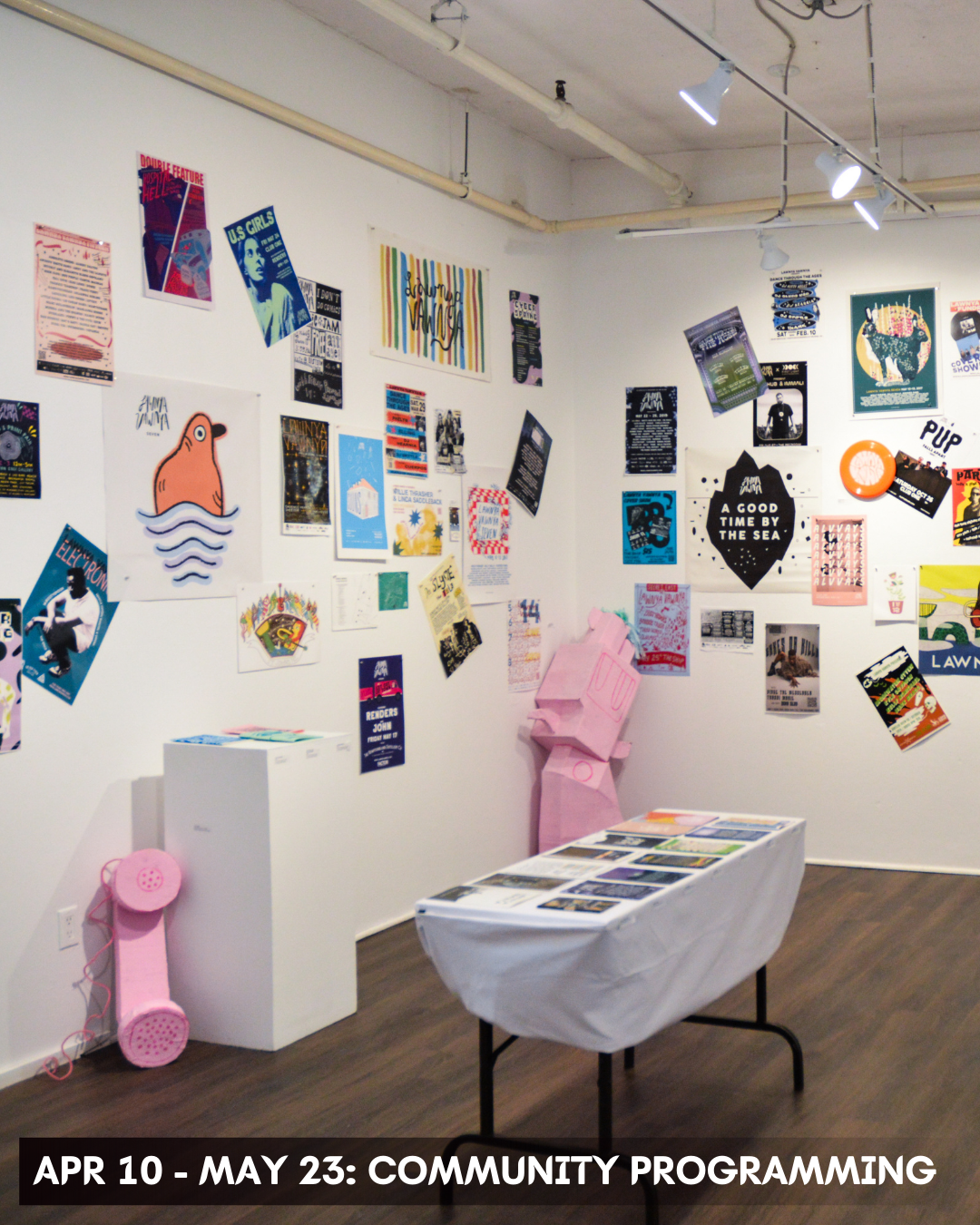 Community Programming
April 10 – May 23, 2026
This six-week period will be dedicated to housing exhibitions, events, and projects from some of Eastern Edge’s partner organizations. Allowing multiple pop-up style events to take place during this exhibition slot, selected partnerships are afforded the flexibility to showcase projects that have not had a chance to shine previously. We hope that this opportunity will create space for important programming to be seen by the public, and to strengthen community collaborations!
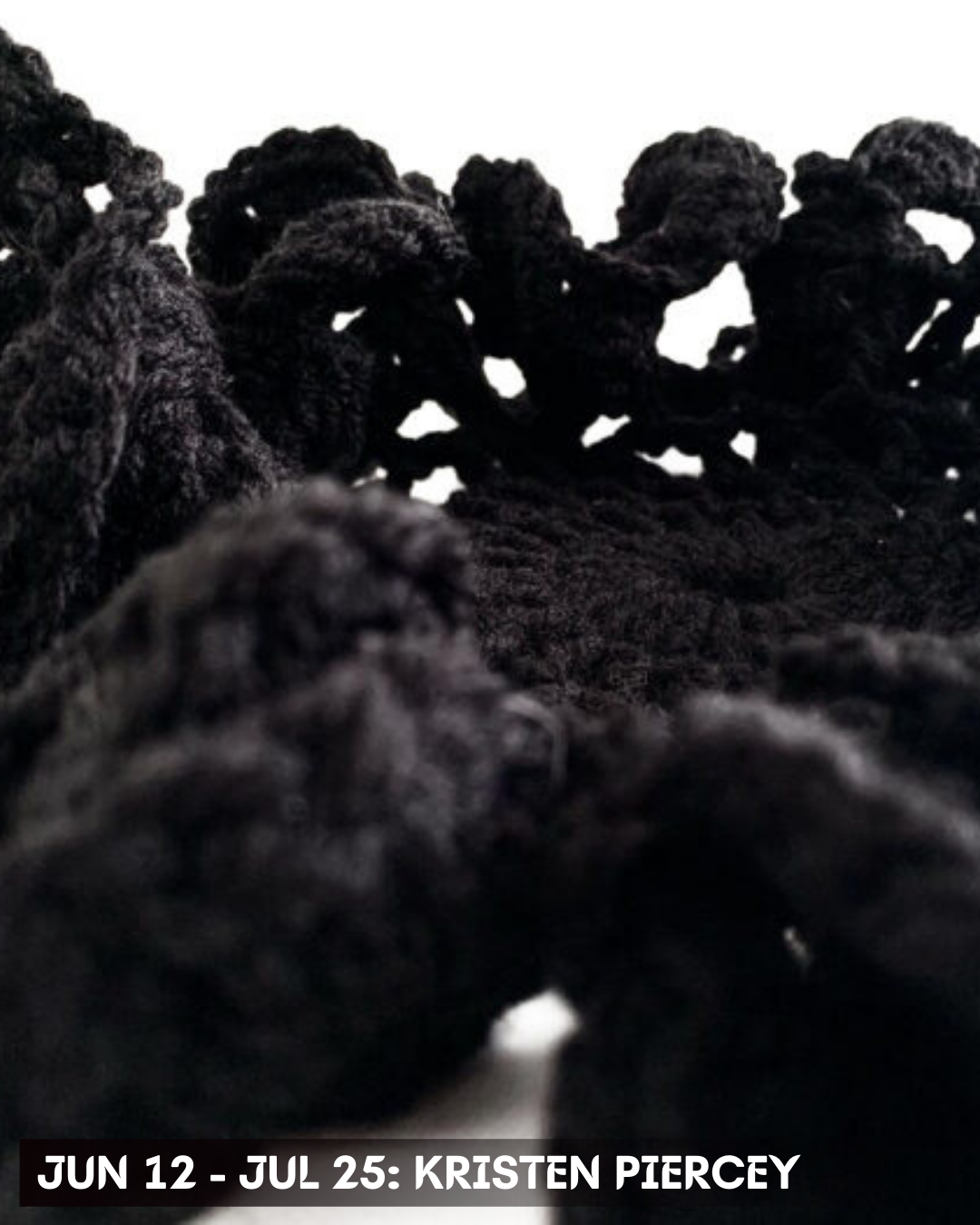 Kristen Piercey, Unfed Hunger
June 12 – July 25, 2026
Unfed Hunger is composed of two doilies laid on individual red tea plates that are coupled together by crochet that spills over each plate and pools to mimic blood. While doilies are traditionally associated with domesticity and care, these doilies are black, turning their inherent delicacy, somber. The plates beneath them consider themes around both communion and sacrifice, evoking the Catholic altar as much as the dinner table.
The crocheted red thread functions as blood, cord, and wound: a fragile connection that insists on closeness while signaling pain. Intimacy here is not seamless or simple; it is strained, negotiated, and physically taxing. The piece reflects on how chronic illness complicates physical touch and emotional vulnerability, turning desire and passion into something that must be meticulously cared for and managed rather than freely expressed and enjoyed. References to Catholicism, such as Eve’s transgression, ideals of purity, and shame around sex, linger throughout and question how religious expectations, particularly involving women, may shape intimacy; especially when the body does not conform to ideals of health, production, or control.
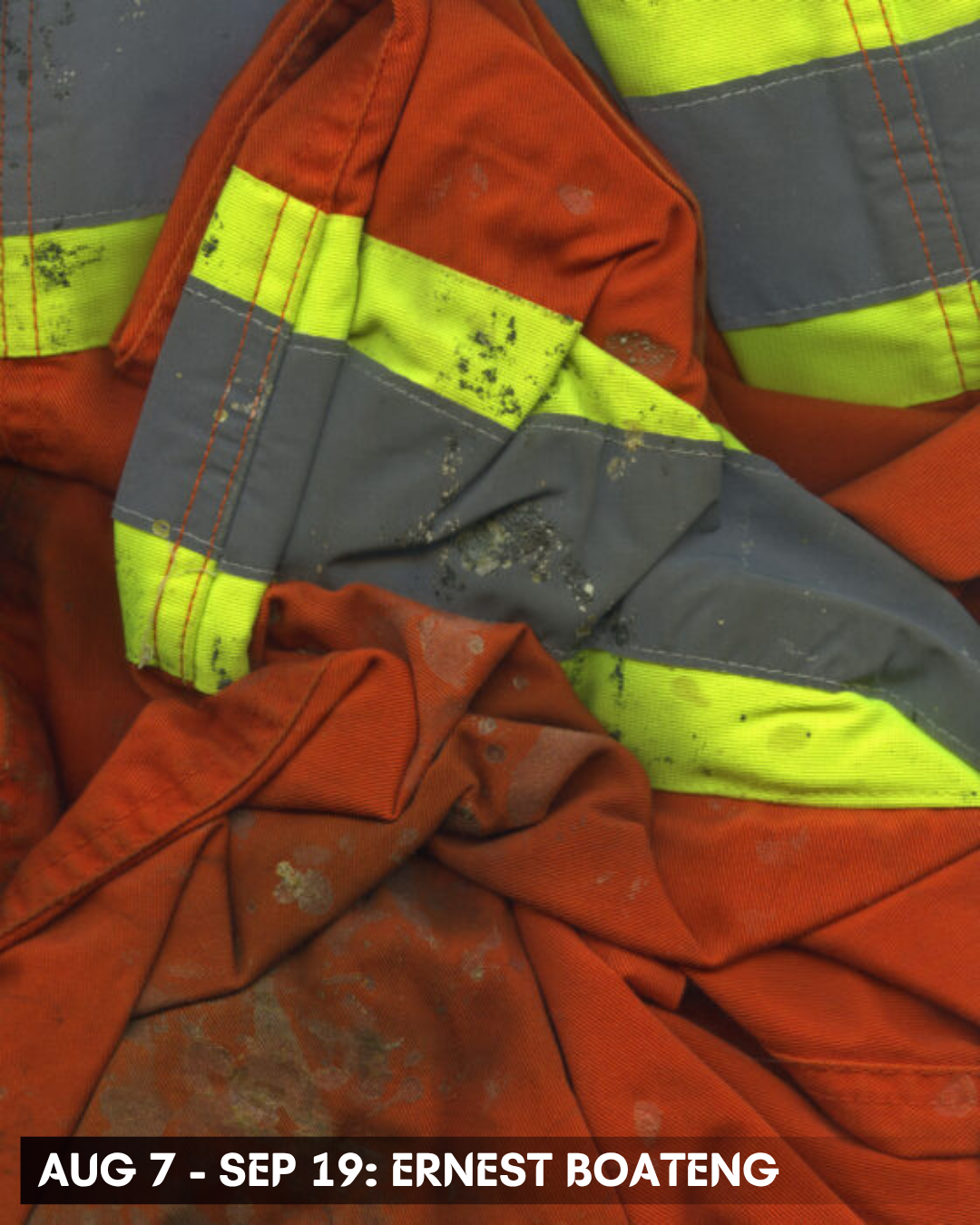 Ernest Boateng, POP YOUR COLLAR
August 7 – September 19, 2026
This exhibition celebrates the untold stories of tradespeople in Corner Brook, Newfoundland, and beyond. Through intimate portraits, workplace scenes, and artifacts, Ernest Boateng bridges local and global narratives, capturing the humanity, craftsmanship, and resilience of workers. Highlighting the intersections of labour, identity, and culture, the exhibit invites viewers to reflect on the vital contributions of these “unsung heroes” to our communities.
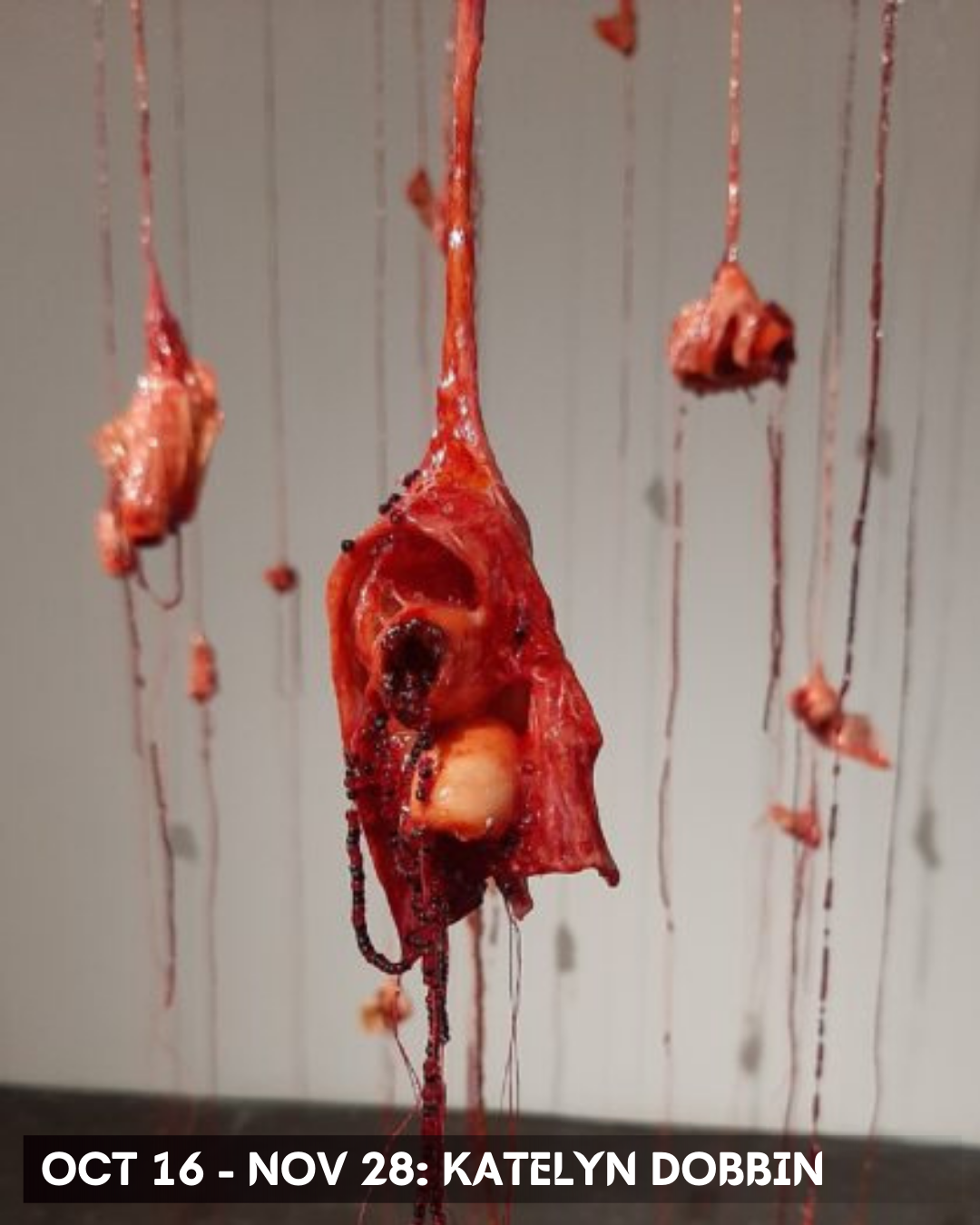 Katelyn Dobbin, Knowing, Not Knowing, and Being Known
October 16 – November 28, 2026
Knowing, Not Knowing, and Being Known interrogates the intersections of gender, nature, and the grotesque in Newfoundland fairy lore and the artist’s memories of growing up in the St. John’s metropolitan area. Using experimental papermaking, quilting, and embroidery techniques that metaphorically recall the body and fragmentary nature of memory, Dobbin explores the multiplicity of identity—generating dialogue about the complexities of Newfoundland culture.