Artist for Equity: Ubuntu Training
The Ubuntu Leadership session invited participants to explore the African philosophy of Ubuntu, “I am because we are,” which emphasizes relationships, shared responsibility, and collective accountability. This approach offers guidance for arts leadership that is collaborative, inclusive and grounded in care for one another. This session was led by Louise Adongo of Caprivian Strip Inc.
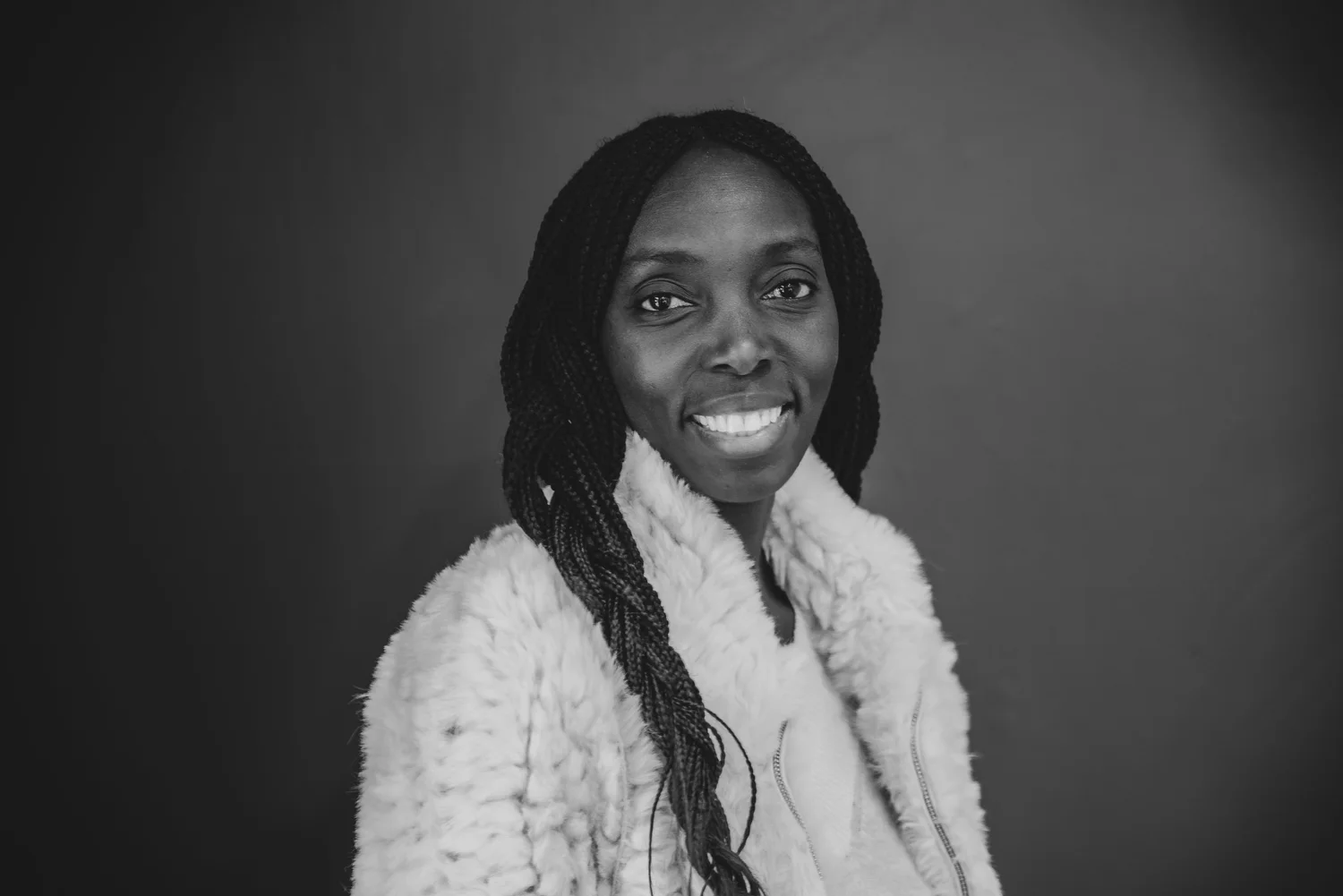
Louise Adongo is an award-winning, nationally recognized systems leader and strategist whose work bridges innovation, equity and transformation. She brings care and intention to uncovering the roots of tangled problems; enabling shifts to greater resilience, sustainability and impact. She believes that co-creating more nimble, transparent and creative institutional spaces is key to the reinvention that we have learned through our most recent pandemic. Adongo is inspiring Communities as an equity-centered systems change intermediary in Atlantic Canada, creating equitable thriving communities through collaboration, social innovation and system design approaches. For more information, or to inquire about training sessions with Louise Adongo check out her website.
In this session, Louise guided participants virtually through a reflective space where African knowledge systems and anti-oppressive practices came together to inspire new ways of leading and creating in the arts.
Participants included staff and volunteers from Eastern Edge, as well as a wide range of arts and activism partners including but not limited to Anti-Racism Coalition of NL, Association for New Canadians, The Art of Being Black and others. Together, we examined the principles of Ubuntu such as interconnected humanity and relational accountability, and considered ways arts organizations can actively address hate, racism and discrimination. The session was focused on imagining and creating environments where all artists, including those historically marginalized, are supported to thrive.
Through storytelling, dialogue and shared reflection, participants considered how to embed care, equity and justice into creative and organizational practices. The session emphasized that inclusive arts leadership requires both critical self-reflection and collective action, supporting a cultural ecosystem that is anti-racist, anti-colonial and affirming of all gender and racial identities.
Lessons from Ubuntu will continue to shape the Arts for Equity project, ensuring that every step forward honours community, dismantles barriers and uplifts historically excluded artists across Newfoundland and Labrador.
This project has been made possible in part by the Government of Canada. Ce projet a été rendu possible en partie grâce au gouvernement du Canada.
